
Investing in Costa Rica Real Estate 2026 by SEGURARCH.

Navigating the 2026 Costa Rican Real Estate Market: A 6-Step Guide to Strategic Investment

Costa Rica continues to attract residential and commercial development across both urban and coastal regions. Entering 2026, the conditions for building are shaped less by image and more by regulation, financing structure, and technical compliance. Successful projects now depend on understanding how economic signals, land classification, and permitting systems interact.
Investing in Costa Rica Real Estate 2026 by SEGURARCH.

At SEGURA ARCHITECTURE, regulatory constraints are integrated into every project’s planning to control risk, cost, and long-term performance in Costa Rica’s tropical conditions.


Step 1: Analyze Market Activity & Sector Trends

Before committing to design or land acquisition, market context matters. Data from 2025 continues to inform 2026 decision-making.

Costa Rica’s Gross Domestic Product (PIB) showed steady growth, including a 5.3% interannual increase in the first quarter of 2025.

  • Manufacturing: Growth reached up to 9.1% in early 2025, driven by Free Trade Zones and export-oriented industries.
  • Construction: After a strong surge at the end of 2024, activity moderated in mid-2025, particularly in housing.
  • Foreign Direct Investment (IED): Reached USD 4.32 billion in 2024, reflecting sustained international confidence.

This moderation in construction activity has carried into improved material availability and more competitive pricing entering 2026.

Step 2: Evaluate Regional Dynamics (GAM vs. Coastal)

Location directly affects permitting pathways, infrastructure access, and construction typology.

Gran Área Metropolitana (GAM)

  • Focus: Urban, commercial, and industrial projects
  • 2025 data:
    • 60.4% increase in urbanistic works
    • 12% growth in industrial construction

Outside the GAM (Coastal & Rural)

  • Focus: Residential and hospitality
  • 2025 data:
    • 22.2% growth in residential square footage
    • 41.6% growth in commercial development

Coastal provinces such as Guanacaste and Puntarenas continue to lead in topographical filings (Planos de Agrimensura), indicating sustained preparation for residential development in 2026.

Step 3: Understand Financing & Interest Rate Conditions

Financing strategy in 2026 remains closely tied to currency selection.

Construction Costs: The Índice de Precios de Construcción (IPCO) reflected a downward trend in material costs during early 2025, creating a favorable procurement window for ongoing projects.

Colones: Private bank interest rates throughout 2025 frequently exceeded 12%, with peaks around 13.56%.

Dollars: Greater stability, averaging approximately 8.7% in private banks, with recent upward pressure in public institutions.

Step 4: Master Land Use & Topographical Planning

Every project begins with a Plano de Agrimensura, registered through the APT (Administrador de Proyectos de Topografía). This document defines legal boundaries, surface conditions, and buildable constraints.

The most common land classifications entering 2026 remain:

  • Solar (vacant land)
  • Construido y Solar (existing structures with land)

Confirming Uso de Suelo with the local municipality remains the primary control point for avoiding future permitting or legal delays.

Step 5: Navigate the Digital Permitting Ecosystem (APC)

Costa Rica’s permitting process is centralized through the Administrador de Proyectos de Construcción (APC), administered by the CFIA (Colegio Federado de Ingenieros y de Arquitectos).

The platform coordinates approvals between:

  • Licensed architects and engineers
  • Municipal governments
  • SETENA (environmental authority)
  • Ministry of Health

All architectural and engineering documentation must be submitted by licensed professionals to be legally valid.

Step 6: Secure Professional Oversight

Investing in Costa Rica real estate in 2026 requires coordinated technical leadership across disciplines. Gaps in professional oversight typically surface as permitting delays, construction conflicts, or cost overruns.

A complete team includes:

  • Architectural leadership for spatial planning and regulatory coordination
  • Structural engineering for seismic compliance
  • Electrical and hydraulic engineering for system efficiency
  • Topographical control for boundary accuracy and level management

In Costa Rica, each direct construction job generates approximately 0.8 indirect jobs, reinforcing the economic impact of compliant, well-managed projects.

Conclusion: Build with Confidence in 2026

Economic indicators from 2025 suggest a stable but selective market entering 2026. Opportunities remain strong for residential and commercial development when projects are structured around regulatory clarity, financial planning, and technical rigor.

At SEGURA ARCHITECTURE, we provide the technical expertise and local insight needed to turn your architectural vision into a secure, lasting reality. Let’s discuss your project and how we can protect your investment from day one.

Contact SEGURA ARCHITECTURE Today: 📞 +506 7165 1613 📧 info@segurarch.com 📍 Nationwide CR


Data Reference & Source Transparency The economic indicators, sector trends, and statistical data referenced in this guide are derived from official documentation and the “Informe de Coyuntura Económica” provided by the Colegio Federado de Ingenieros y de Arquitectos de Costa Rica (CFIA). This data reflects the 2025 fiscal analysis used to project strategic investment opportunities for 2026.
Step-by-Step Guide: Understand The Construction Permit Process in Costa Rica in 7 Easy Steps

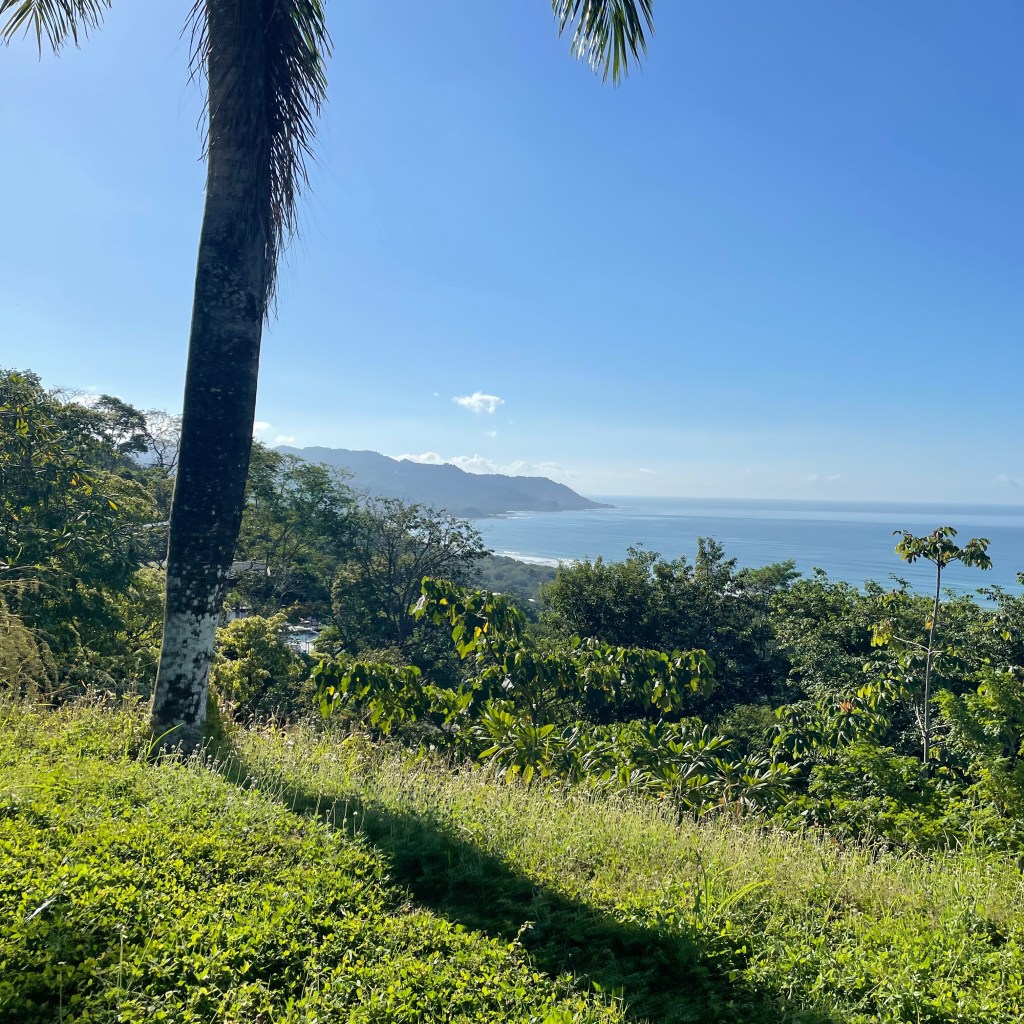
Beautiful hills over the world’s most coveted beaches… can your next project take place here?

Step-by-Step Guide: The Construction Permit Process in Costa Rica

Building in Costa Rica is an inspiring prospect, combining innovative design with one of the world’s most beautiful natural backdrops. However, this journey also involves navigating one of Central America’s most robust legal and environmental frameworks.

A clear understanding of the construction permit process in Costa Rica does more than just tick a box. It saves significant time, avoids costly fines, and ensures your project is in full compliance with key governing bodies like the Colegio Federado de Ingenieros y Arquitectos (CFIA) and the INVU Reglamento de Construcciones.

This guide breaks down the technical requirements within the construction permit process in Costa Rica into a clear, step-by-step path.

(Internal Link): What Does It Take to Build in Costa Rica?


Understanding the Construction Permit Process in Costa Rica will help you take smarter finantial decisions.

Step 1: Verify Land Ownership and Zoning (Uso de Suelo)

Before the first line is ever drawn, the first step is to confirm the land can legally host your intended project.

This is done by requesting an Uso de Suelo (Land Use Certificate) from the local Municipality. This critical document specifies the land-use category, allowable density (how much you can build), height restrictions, setbacks, and any potential environmental constraints.

Studio Tip: Check Zoning Before You Buy

Always verify the Uso de Suelo before purchasing land. If you plan to build a vacation rental business, but the property is in a strictly single-family residential zone, this discrepancy can delay or halt your project indefinitely.

Step 2: Environmental and Technical Assessments

Once zoning is confirmed, a series of technical studies must be conducted to ensure the design is safe and appropriate for the specific site.

These non-negotiable requirements include:

  • Topographical Survey: A registered surveyor must provide an updated plano catastrado (cadastral plan) showing property lines and topography.
  • Geotechnical Study: A soil study is essential, especially if the terrain has steep slopes or potentially unstable soil.
  • Environmental Viability (Viabilidad Ambiental): For projects exceeding 500 m² (approx. 5,380 sq. ft.) or those in sensitive areas, an environmental impact study must be approved by SETENA (the National Environmental Technical Secretariat).
  • Seismic Study: All structural designs must comply with the rigorous Código Sísmico de Costa Rica (CSCR 2010) to ensure safety.

Segura Architecture ensures your project integrates these studies from the very beginning, preventing costly redesigns later in the process. When the construction permit process in Costa Rica is handled by registered professionals, redesigns and addendums to current plans can be handled through their own platform (APC).

Step 3: Engage Licensed Professionals and Prepare Technical Plans

Costa Rican law mandates that every construction project must be designed and directed by professionals registered with the CFIA.

A complete permit application requires a full set of technical plans, known as planos constructivos, prepared by this team:

  • Architect: Leads the architectural design, project coordination, and ensures overall code compliance.
  • Structural Engineer: Designs the foundation and structure per the seismic code and ACI 318S-14 standards.
  • Electrical Engineer: Designs all electrical systems according to current INTE standards.
  • Hydraulic and Sanitary Engineer: Designs water supply, drainage, and septic systems per the Código de Instalaciones Hidráulicas y Sanitarias 2017.

These professionals collaborate to produce the architectural drawings, structural plans, electrical and mechanical blueprints, and all supporting memorias de cálculo (engineering specifications).

Step 4: CFIA Review and Digital Stamping

Before any municipality will review a project, it must first be approved by the CFIA. This is managed through a digital platform called the Administrador de Proyectos de Construcción (APC).

The process is as follows:

  1. Your architect uploads all technical plans to the APC platform.
  2. Each engineer (structural, electrical, etc.) digitally reviews and “stamps” their respective discipline, certifying its compliance.
  3. The APC system verifies the project against professional standards and calculates the required professional fees (honorarios).
  4. Once approved, the CFIA issues a Project Approval Code.

This CFIA approval is the prerequisite for the next step. Segura Architecture handles this entire digital submission internally, ensuring all plans meet technical standards before submission to save clients weeks of back-and-forth revisions.

Step 5: Municipal Construction Permit (Permiso de Construcción Municipal)

With the CFIA approval code in hand, the formal application for the Permiso de Construcción Municipal can be filed at your local municipality.

The application package generally requires:

  • CFIA-approved plans and project code
  • Proof of property ownership (certificación literal)
  • Updated catastral plan (surveying plan)
  • The Uso de Suelo (from Step 1)
  • Environmental Viability (if applicable)
  • Proof of paid municipal taxes and social security (CCSS)

Did You Know? Timelines Vary by Municipality

While the official timeline is often 15-30 business days, municipal efficiency varies greatly by canton. Highly organized municipalities like those in San José or Santa Ana may be faster, while high-growth coastal areas like Tamarindo or Nosara may experience longer queues due to volume.

Step 6: Health and Utility Approvals

Parallel to the municipal process, several other agencies must provide their endorsement.

  • Ministerio de Salud (Ministry of Health): Required for all public, commercial, or multi-unit residential projects to review sanitary conditions.
  • AyA or ASADA: A letter certifying water availability from the national water utility (Acueductos y Alcantarillados) or the local administrative association (ASADA).
  • ICE: Approval for the electrical connection from the national electricity provider.
  • Fire Department (Bomberos): A safety plan review is often required for commercial projects.

A well-coordinated submission schedule avoids redundant delays. Segura Architecture’s project management team handles all parallel approvals to fast-track your permit.

Step 7: Start Construction & Technical Inspections

Once the municipality issues your Permiso de Construcción, work can officially begin.

However, the permitting process is not over. During construction, CFIA inspectors and your own registered architect will conduct periodic site visits. They ensure the work on the ground faithfully follows the stamped plans.

Filing technical inspection reports (known as the bitácora digital) is mandatory. Any significant deviation from the approved plans can result in fines or a suspension of work.

“We see permitting not as a hassle, but as protection—for your investment, your safety, and your peace of mind.”

— Segura Architecture


How Long Does It All Take?

Setting realistic expectations is key. While a simple residential project may move quickly, complex projects require more diligence.

Phase Average Duration
Land Use & Zoning (Uso de Suelo) 1–2 weeks
Technical Studies & Plan Preparation 4–8 weeks
CFIA Digital Review (APC) 1–2 weeks
Municipal Approval 2–6 weeks
Total Estimated Time (Typical) 3–4 months

Note: Complex commercial projects or those in sensitive coastal zones (requiring SETENA) can extend this timeline to 6–9 months.

Contact the Right Professionals!

The construction permit process in Costa Rica is precise and multi-layered. For those unfamiliar with the system, it can be a significant source of stress and delay.

Our team integrates architecture, engineering, and permit management under one roof. This means you don’t have to chase paperwork or coordinate between different professionals and municipalities.

From the first feasibility study to your final occupancy permit, we ensure every form, drawing, and signature aligns perfectly with Costa Rican law.

Ready to start your project with confidence?

Contact us so we can discuss your next succesfull project and bring your vision to life.

What Does It Take to Build in Costa Rica Successfully? An Expert Guide to Bringing Your Vision to Life

Construction workforces usually use reinforced concrete as the structural system to build in Costa Rica due to its material properties.

What Does It Take to Build in Costa Rica?

Costa Rica. The name evokes images of lush rainforests, pristine beaches, and a life of “Pura Vida.” For many, the dream extends beyond just visiting—it’s building a home, a boutique hotel, or a sustainable commercial project in this Central American paradise.

But how do you turn that dream into a physical structure?

Building in Costa Rica is a journey that beautifully blends immense opportunity with significant responsibility. This is a country that fiercely protects its natural resources and the safety of its inhabitants.

Here, you don’t just build on the land; you must build with it. This guide will walk you through the essential legal, technical, and practical steps required to build successfully, safely, and in full compliance with Costa Rican law.

1. A Land of Opportunity—and Regulation

Costa Rica offers remarkable potential, from modern coastal villas to innovative urban mixed-use projects. However, this potential is managed by a robust framework of national codes and municipal oversight. To build in Costa Rica, you are going to need a lot patience, or a great team to do this for you! This system isn’t designed to be a barrier; it’s designed to ensure environmental protection, seismic safety, and responsible growth.

At the center of this framework is the INVU Reglamento de Construcciones (Construction Regulations). This foundational document governs how, where, and under what conditions building can occur, ensuring a high standard for all projects.

Before a single shovel hits the ground, you must secure a series of non-negotiable legal documents. Navigating this stage correctly is the single most important step in your project.

  • Land Use Certificate (Certificado de Uso de Suelo): This is your first step to build in Costa Rica, before you even finalize a land purchase. Issued by the local municipality, the Uso de Suelo confirms what you are legally allowed to build on a given property (e.g., residential, commercial, mixed-use), what the density limits are, and what the setback requirements (retreats) are.
  • Municipal Construction Permit (Permiso de Construcción): This is the official green light from the local government to begin work. To get it, you must submit a complete set of “blueprints” or planos constructivos.
  • CFIA Approval (Visado): Before the municipality will even look at your plans, they must be reviewed, stamped, and approved by the Colegio Federado de Ingenieros y Arquitectos (CFIA). This is Costa Rica’s professional college for engineers and architects. Their stamp (or digital visado) certifies that your architectural, structural, electrical, and hydraulic plans were designed by licensed professionals and comply with all national codes.
  • Environmental and Health Clearances: Depending on your project’s scale, location, and potential impact, you may require additional clearances from SETENA (the national environmental authority) or the Ministerio de Salud (Ministry of Health). This is especially true for projects in sensitive areas or for developments that require new water or septic solutions.

Key Reference: The INVU Reglamento de Construcciones (2018), specifically Capítulo VII, Artículos 101–103, outlines the complete requirements for submitting plans and obtaining permits.

3. Design with the Earth in Mind: Seismic & Tropical Architecture

Costa Rica’s geography is defined by two powerful forces: it sits on the Ring of Fire and it is covered in tropical rainforest. Your building design must respond to both.

Seismic Resilience: The Código Sísmico de Costa Rica 2010 (Seismic Code) is one of the most advanced in the world. It sets strict design standards for structural resilience, requiring qualified engineers to model earthquake loads and design foundations and structures with sufficient ductility (the ability to flex without breaking). This is non-negotiable to build in Costa Rica.

Tropical Design: The Reglamento de Construcciones also mandates practices for a tropical climate. This means designing for:

  • Water Management: Proper site drainage to handle intense rainy seasons.
  • Material Durability: Using materials resistant to high humidity, corrosion, and insects (like termites).
  • Passive Ventilation: Designing for airflow to reduce reliance on air conditioning and prevent mold.

For many homes and low-rise projects, reinforced concrete and engineered systems (like Prefa Holcim or HMS entrepisos) offer an efficient, fast, and code-compliant solution that addresses both seismic and tropical challenges.

4. Professional Oversight: Your Required Team

In Costa Rica, you cannot build without a team of licensed professionals registered with the CFIA. This team is legally responsible for the project’s success and safety.

Your core team will include:

  • Architect: The project leader. Responsible for the overall design, ensuring plans meet all codes, and navigating the CFIA and municipal permit process.
  • Structural Engineer: Responsible for the seismic design, foundation, and structural integrity.
  • Electrical Engineer: Designs all electrical systems according to the national code.
  • Hydraulic/Sanitary Engineer: Designs all water supply, drainage, and septic systems, governed by the Código de Instalaciones Hidráulicas y Sanitarias (2017).
  • Technical Inspector (Inspector Técnico): This professional (often the architect or an engineer) is legally required to perform site inspections to ensure the work being built matches the approved plans, as detailed in the Manual de Inspección Técnica de Obras (TEC, 2018).

5. Universal Design and Accessibility (Ley 7600)

Inclusive architecture is not just an option to build in Costa Rica—it’s the law.

Ley 7600 (Law 7600), the Law on Equal Opportunities for Persons with Disabilities, and the detailed Guía Integrada para la Verificación de Accesibilidad al Entorno Físico (CNREE–CFIA, 2010), mandate that all public and most private projects be fully accessible.

This means your design must include ramps, handrails, accessible bathrooms, wider doorways, and clear circulation paths. This is a key component of ethical, legal, and forward-thinking design that adds long-term value to your property.

6. Building Smart: Local Practices and Materials

  • Concrete Reigns Supreme: Due to the humidity, termites, and seismic activity, concrete and steel hybrid systems are the dominant construction method, far outperforming traditional timber framing in durability.
  • Prefabrication is Growing: To reduce time, on-site waste, and cost, prefabricated concrete panels and structural systems are becoming increasingly popular, as they meet all seismic requirements while accelerating the build.
  • Environmental Responsibility: Beyond legal requirements, there is a strong cultural expectation to build responsibly. Projects must consider their impact on drainage, local vegetation, and the surrounding ecosystem, in line with the Ley de Planificación Urbana (Urban Planning Law).

7. The Process in Practice: From Land to Move-In

So, what does the typical journey look like?

  1. Due Diligence: Secure your Uso de Suelo.
  2. Site Analysis: Conduct a topographical survey and (often) a geotechnical study (soil test).
  3. Architectural Design: Develop preliminary designs (anteproyecto) and then full construction drawings (planos constructivos) with your team of engineers.
  4. CFIA Approval: Submit the complete planos to the CFIA for their digital visado (stamp).
  5. Municipal Permitting: Submit the stamped plans, Uso de Suelo, and other documents to the local municipality for the building permit.
  6. Construction & Inspections: The build begins, with mandatory inspections from your Inspector Técnico and (often) the municipality.
  7. Occupancy Certification: Once construction is finished, a final inspection is done to certify the building is safe and code-compliant, allowing you to legally occupy it.

Typical Timeline: Be patient. Securing the Uso de Suelo and designing the project can take a few months. The CFIA and municipal permit process typically takes 6 to 12 months, depending on the project’s complexity and the specific municipality.

Our Final Thought

Building in Costa Rica is not just about concrete and permits—it’s about understanding “place.”

It’s a process of deep collaboration between your vision and the realities of the land. It’s about designing for earthquakes and heavy rain, respecting the ecosystem, and balancing local craftsmanship with modern engineering.

When done right, the result isn’t only a compliant building. It’s a structure that embodies Costa Rica’s core values of resilience, sustainability, and “Pura Vida” beauty.


Ready to Start Your Project?

Navigating the complexities of Costa Rican construction can be daunting, especially from abroad. But you don’t have to do it alone. In Segura Architecture Studio we will listen to you and understand your needs so you can build in Costa Rica with experienced experts and localized teams.

Our firm specializes in guiding international clients through every step of this journey—from initial due diligence and design to final permitting and construction oversight.

Are you ready to build your dream in Costa Rica? Contact us today for a consultation.