
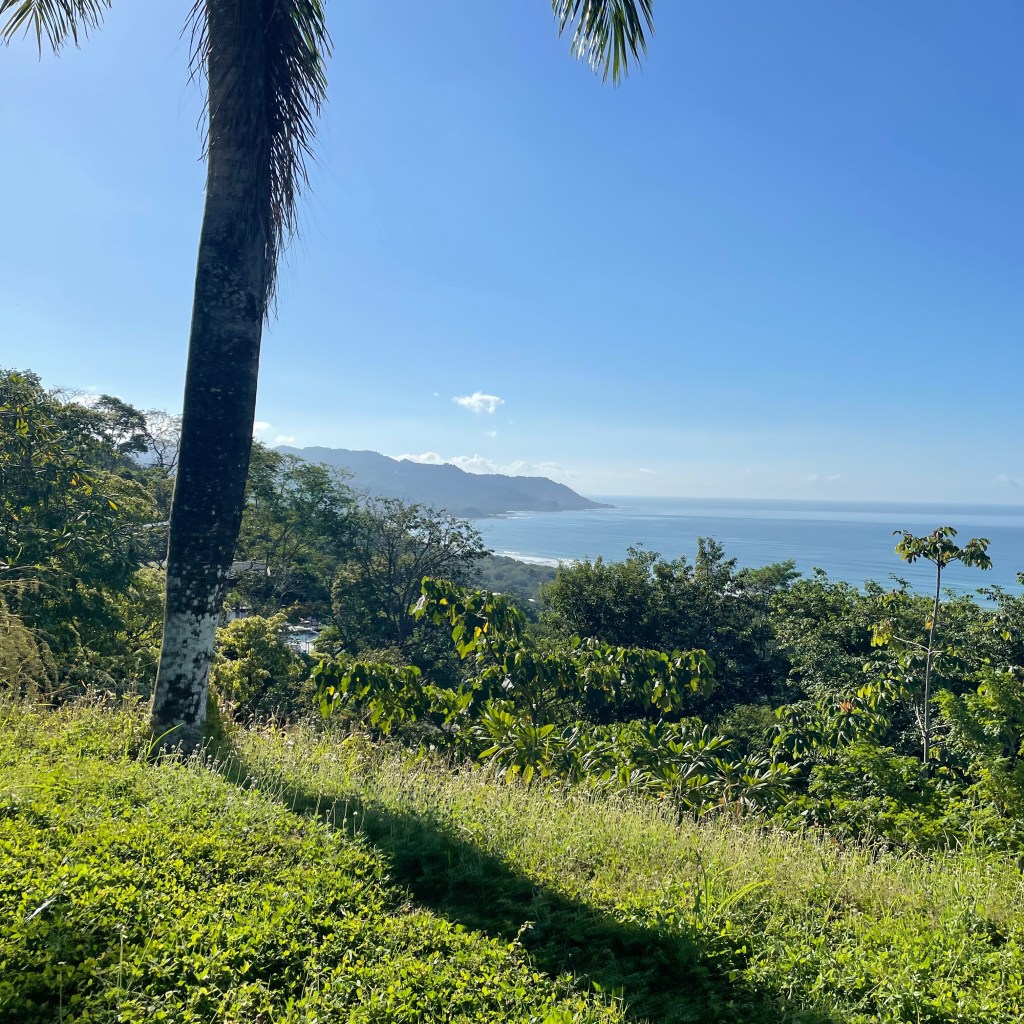
Step-by-Step Guide: The Construction Permit Process in Costa Rica
Building in Costa Rica is an inspiring prospect, combining innovative design with one of the world’s most beautiful natural backdrops. However, this journey also involves navigating one of Central America’s most robust legal and environmental frameworks.
A clear understanding of the construction permit process in Costa Rica does more than just tick a box. It saves significant time, avoids costly fines, and ensures your project is in full compliance with key governing bodies like the Colegio Federado de Ingenieros y Arquitectos (CFIA) and the INVU Reglamento de Construcciones.
This guide breaks down the technical requirements within the construction permit process in Costa Rica into a clear, step-by-step path.
(Internal Link): What Does It Take to Build in Costa Rica?

Step 1: Verify Land Ownership and Zoning (Uso de Suelo)
Before the first line is ever drawn, the first step is to confirm the land can legally host your intended project.
This is done by requesting an Uso de Suelo (Land Use Certificate) from the local Municipality. This critical document specifies the land-use category, allowable density (how much you can build), height restrictions, setbacks, and any potential environmental constraints.
Studio Tip: Check Zoning Before You Buy
Always verify the Uso de Suelo before purchasing land. If you plan to build a vacation rental business, but the property is in a strictly single-family residential zone, this discrepancy can delay or halt your project indefinitely.
Step 2: Environmental and Technical Assessments
Once zoning is confirmed, a series of technical studies must be conducted to ensure the design is safe and appropriate for the specific site.
These non-negotiable requirements include:
- Topographical Survey: A registered surveyor must provide an updated plano catastrado (cadastral plan) showing property lines and topography.
- Geotechnical Study: A soil study is essential, especially if the terrain has steep slopes or potentially unstable soil.
- Environmental Viability (Viabilidad Ambiental): For projects exceeding 500 m² (approx. 5,380 sq. ft.) or those in sensitive areas, an environmental impact study must be approved by SETENA (the National Environmental Technical Secretariat).
- Seismic Study: All structural designs must comply with the rigorous Código Sísmico de Costa Rica (CSCR 2010) to ensure safety.
Segura Architecture ensures your project integrates these studies from the very beginning, preventing costly redesigns later in the process. When the construction permit process in Costa Rica is handled by registered professionals, redesigns and addendums to current plans can be handled through their own platform (APC).
Step 3: Engage Licensed Professionals and Prepare Technical Plans
Costa Rican law mandates that every construction project must be designed and directed by professionals registered with the CFIA.
A complete permit application requires a full set of technical plans, known as planos constructivos, prepared by this team:
- Architect: Leads the architectural design, project coordination, and ensures overall code compliance.
- Structural Engineer: Designs the foundation and structure per the seismic code and ACI 318S-14 standards.
- Electrical Engineer: Designs all electrical systems according to current INTE standards.
- Hydraulic and Sanitary Engineer: Designs water supply, drainage, and septic systems per the Código de Instalaciones Hidráulicas y Sanitarias 2017.
These professionals collaborate to produce the architectural drawings, structural plans, electrical and mechanical blueprints, and all supporting memorias de cálculo (engineering specifications).
Step 4: CFIA Review and Digital Stamping
Before any municipality will review a project, it must first be approved by the CFIA. This is managed through a digital platform called the Administrador de Proyectos de Construcción (APC).
The process is as follows:
- Your architect uploads all technical plans to the APC platform.
- Each engineer (structural, electrical, etc.) digitally reviews and “stamps” their respective discipline, certifying its compliance.
- The APC system verifies the project against professional standards and calculates the required professional fees (honorarios).
- Once approved, the CFIA issues a Project Approval Code.
This CFIA approval is the prerequisite for the next step. Segura Architecture handles this entire digital submission internally, ensuring all plans meet technical standards before submission to save clients weeks of back-and-forth revisions.
Step 5: Municipal Construction Permit (Permiso de Construcción Municipal)
With the CFIA approval code in hand, the formal application for the Permiso de Construcción Municipal can be filed at your local municipality.
The application package generally requires:
- CFIA-approved plans and project code
- Proof of property ownership (certificación literal)
- Updated catastral plan (surveying plan)
- The Uso de Suelo (from Step 1)
- Environmental Viability (if applicable)
- Proof of paid municipal taxes and social security (CCSS)
Did You Know? Timelines Vary by Municipality
While the official timeline is often 15-30 business days, municipal efficiency varies greatly by canton. Highly organized municipalities like those in San José or Santa Ana may be faster, while high-growth coastal areas like Tamarindo or Nosara may experience longer queues due to volume.
Step 6: Health and Utility Approvals
Parallel to the municipal process, several other agencies must provide their endorsement.
- Ministerio de Salud (Ministry of Health): Required for all public, commercial, or multi-unit residential projects to review sanitary conditions.
- AyA or ASADA: A letter certifying water availability from the national water utility (Acueductos y Alcantarillados) or the local administrative association (ASADA).
- ICE: Approval for the electrical connection from the national electricity provider.
- Fire Department (Bomberos): A safety plan review is often required for commercial projects.
A well-coordinated submission schedule avoids redundant delays. Segura Architecture’s project management team handles all parallel approvals to fast-track your permit.
Step 7: Start Construction & Technical Inspections
Once the municipality issues your Permiso de Construcción, work can officially begin.
However, the permitting process is not over. During construction, CFIA inspectors and your own registered architect will conduct periodic site visits. They ensure the work on the ground faithfully follows the stamped plans.
Filing technical inspection reports (known as the bitácora digital) is mandatory. Any significant deviation from the approved plans can result in fines or a suspension of work.
“We see permitting not as a hassle, but as protection—for your investment, your safety, and your peace of mind.”
— Segura Architecture
How Long Does It All Take?
Setting realistic expectations is key. While a simple residential project may move quickly, complex projects require more diligence.
| Phase | Average Duration |
| Land Use & Zoning (Uso de Suelo) | 1–2 weeks |
| Technical Studies & Plan Preparation | 4–8 weeks |
| CFIA Digital Review (APC) | 1–2 weeks |
| Municipal Approval | 2–6 weeks |
| Total Estimated Time (Typical) | 3–4 months |
Note: Complex commercial projects or those in sensitive coastal zones (requiring SETENA) can extend this timeline to 6–9 months.
Contact the Right Professionals!
The construction permit process in Costa Rica is precise and multi-layered. For those unfamiliar with the system, it can be a significant source of stress and delay.
Our team integrates architecture, engineering, and permit management under one roof. This means you don’t have to chase paperwork or coordinate between different professionals and municipalities.
From the first feasibility study to your final occupancy permit, we ensure every form, drawing, and signature aligns perfectly with Costa Rican law.
Ready to start your project with confidence?
Contact us so we can discuss your next succesfull project and bring your vision to life.
Deja un comentario